


Students Activities
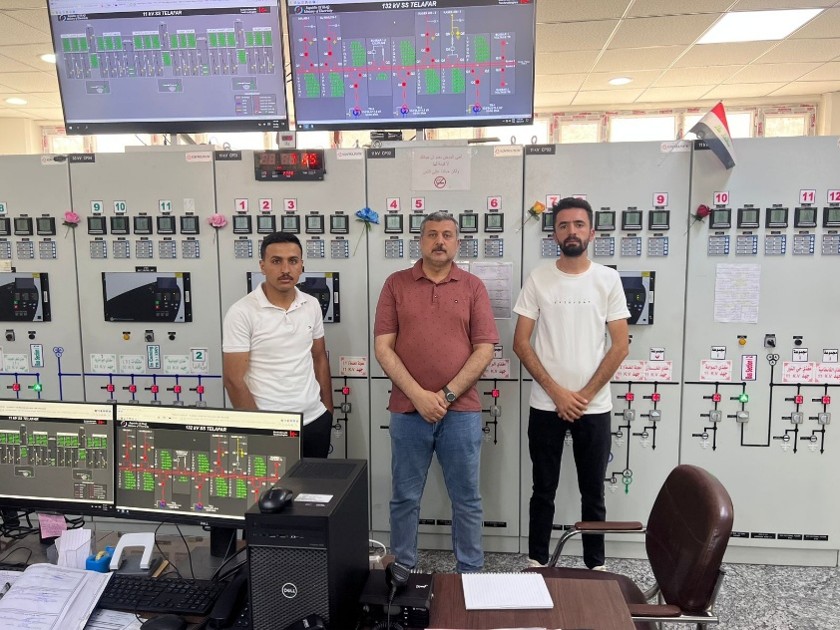
Summer training is a cornerstone in preparing Electrical Engineering Technology students, serving as a bridge that transitions education from a theoretical framework to practical, field-based application.
The primary objectives of the summer training are summarized in the following areas:
Objectives of Summer Training
Summer training is a fundamental pillar in preparing engineering and technical students, serving as a vital bridge between theoretical knowledge and practical field application.
The main objectives of summer training are categorized into three primary domains:
1. Technical and Practical Objectives
- Bridging Theory and Practice: Providing students with the opportunity to apply theoretical laws, principles, and concepts learned in classrooms and laboratories to real-world equipment and engineering systems.
- Acquiring Field Skills: Gaining hands-on experience with heavy equipment, advanced measuring instruments, and maintenance/operation tools that may not be available in academic labs.
- Exploring Modern Technology: Becoming familiar with state-of-the-art technologies, software, and systems used in industrial companies and the local and global job markets.
- Troubleshooting and Fault Diagnosis: Developing the ability to identify, analyze, and implement rapid engineering solutions for actual faults and problems at the job site.
2. Professional and Personal Objectives
- Experiencing Real Work Environments: Adapting to workplace culture, punctuality, organizational hierarchy, and managing daily work pressure.
- Developing Soft Skills: Enhancing effective communication skills with engineers, technicians, and workers, while fostering teamwork and time management.
- Applying Occupational Safety Standards: Gaining practical experience with Health, Safety, and Environment (HSE) regulations and learning how to handle electrical and mechanical hazards on-site.
3. Academic and Future Career Objectives
- Enhancing Employability: Building professional networks with industrial companies, opening avenues for job opportunities or post-graduation employment.
- Guiding Senior Graduation Projects: Inspiring students with practical ideas for graduation projects that address real-world challenges faced by the industrial sector.
- Mastering Technical Documentation: Training students to draft periodic engineering reports and a comprehensive final training report according to professional standards.
- Defining Career Paths: Helping students identify their specific technical interests (e.g., maintenance, design, project management, or renewable energy) to guide their career trajectory after graduation.
No posts found.